Posted on

Vitamin D may help to improve resistance to Covid-19. Might it also help to reduce herpes symptoms?

Helpline callers often ask whether any food or vitamin can help improve resistance to herpes simplex and prevent symptoms. Despite many claims, no ‘magic’ food or vitamin is guaranteed to do this.

Now people are asking what they should eat to make sure they don’t catch Covid-19. Or if they do catch it, how they can have a milder case. Medical experts (Covid Symptoms Study) are giving the same response as us: there is no single answer.

One coronavirus expert suggested a diet that includes a wide range of foods, with brightly coloured fruit and veg, or best of all aim for a ‘Mediterranean diet’.  This is also our advice on how to reduce herpes simplex outbreaks.

As you will have seen in the news, people with serious underlying health conditions are most at risk of having a bad case of Covid-19. It is difficult, if not impossible to make a long-term health problem disappear, so what can be done? 

As you may know, people with serious underlying health conditions are more at risk from Covid-19. What can be done? 

Medical reports suggest that people with low vitamin D levels may be harder hit with Covid-19, although experts are not agreed on how much it matters and why.

We have previously written about “Vitamin D for herpes” in SPHERE 34-1. Vitamin D can be a useful supplement for immune function and to reduce outbreaks.

Dark skin? Over 65? Vitamin D is the supplement for you

You get it naturally by sitting in the sun, (but not overdoing it). For people with light skins this means around 20 minutes’ exposure between 10 am and 3 pm in the summer months. At other times of the year the sun isn’t strong enough to help much. Darker skinned people will need greater sun exposure to benefit. 

The NHS has long been advising that, amongst others, people over 65 and those with darker skin should be taking supplements of vitamin D.  Our director, Marian Nicholson, has! She takes the recommended dose of 10 mcg (400 i.u.) of vitamin D to lessen the chance of an outbreak. And it does not just help with herpes simplex, she rarely gets a cold. If she does, it is gone in a day or so.

In addition, the Department of Health and Social Care recommends a daily supplement containing 10 micrograms of vitamin D throughout the year if you:

- Advertisement - Buy herpes antiviral medication from MedExpress

•    are not often outdoors – for example, if you’re frail or housebound

•    are in an institution like a care home

•    usually wear clothes that cover up most of your skin when outdoors

•    you have dark skin – for example you have an African, African-       Caribbean or south Asian background.

So perhaps it is time you tried vitamin D too? 

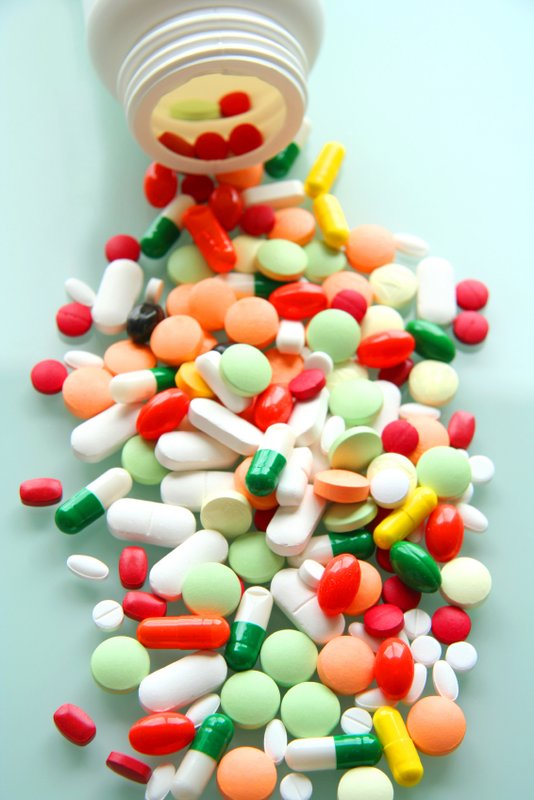
bottle of vitamin D pills and other pills...

Posted on

Herpes and corona virus: antiviral medication – will it help people with Covid-19 (Coronavirus)? And are people with herpes more susceptible?

The short answer is no – herpes antiviral medication will not help with flu. (This a question that we have been asked lately – of course!)

There are millions of different viruses in the world. The antiviral drugs that work to suppress herpes viruses have no impact on any of the other viruses. And this includes those that cause colds, flu and Covid-19. The antiviral medication for herpes simplex works against herpes varicella – chickenpox, but that’s it.

For more about the origins of herpes antiviral medication go to: https://herpes.org.uk/how-herpes-got-its-stigma/

Will taking antivirals make any difference to getting Covid-19?

Taking antiviral pills will make no difference to your immune response – the pills work only on the virus, not on human cells at all.

Susceptibility – should people with herpes worry more about Covid-19?

The short answer is no. (This is the other question that has come up a lot!)

- Advertisement - Buy herpes antiviral medication from MedExpress

At least two thirds of adults carry herpes simplex infections (facial cold sores and/or genital herpes) by age 25 – all over the world. Herpes simplex may cause symptoms in people when they are ill or stressed. But its effect on the immune system of otherwise healthy people is minimal and having herpes is not likely to make any difference to people who catch Covid-19.

People with other pre-existing conditions may be seriously affected by Covid-19. More information here: https://www.bbc.co.uk/news/health-51703892   

Posted on

Help research into herpes viruses (now closed)

Help research into herpes! Have you had a diagnosis of herpes simplex type 2 – but no outbreaks in the last two years? Or perhaps you have had a positive blood test for herpes simplex type 2?

A researcher at Reading’s Royal Berkshire Hospital would like a sample of your blood.

A single “tiny tube” is all they need. They are comparing antibodies in people with type 2 who do, and who don’t, get outbreaks. This could be helpful in future vaccine research. It is hoped that a vaccine could be used to treat people with too many outbreaks in order to give a “functional cure”. (This means to “take away the symptoms“.)

- Advertisement - Buy herpes antiviral medication from MedExpress

Trial now closed.

Posted on

Herpes information

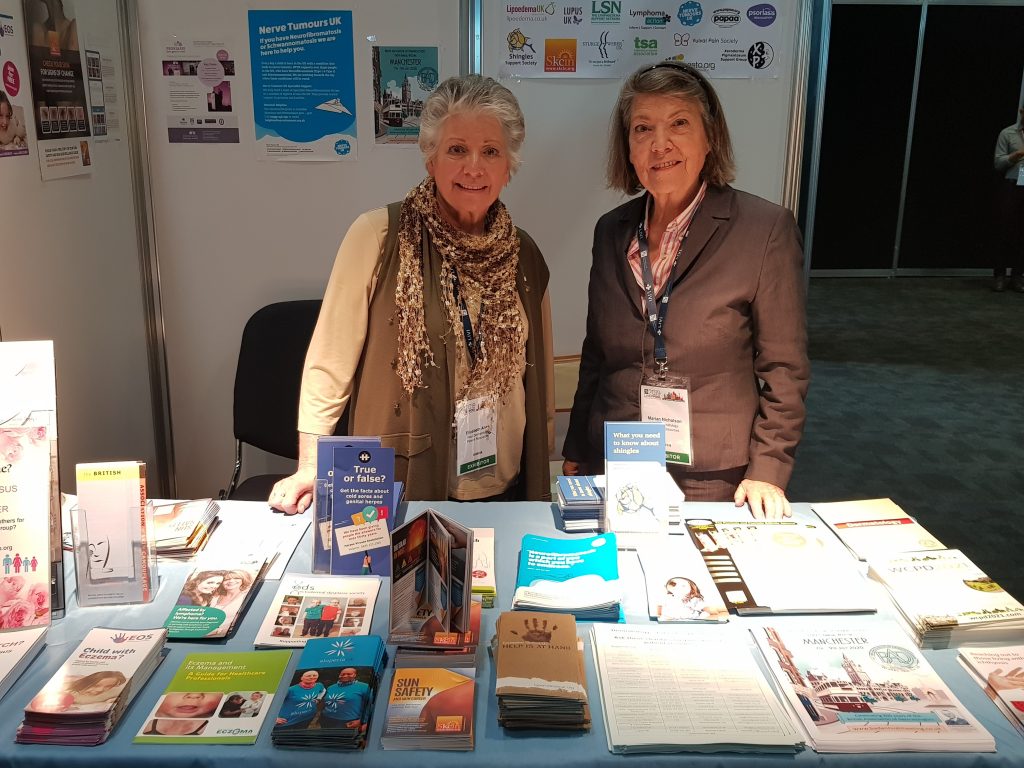
The HVA herpes information leaflet is called “True or False“. I took 200 of them to the Annual Conference of the Royal College of GPs in Liverpool 24-25th October. The delegates took 177 of them!

Herpes information leaflet on the stand

Liz Allen of the British Association of Skin Camouflage (left) Marian (right)

Doctors were glad to find materials to help their patients with all sorts of skin conditions. And the herpes information leaflet was appreciated. It offers treatment advice and also emotional support… Several doctors said things along the lines of “I didn’t know there was this kind of support for my patients and they can be very upset about it.” And a couple of doctors even thanked us for having the stand!!!

- Advertisement - Buy herpes antiviral medication from MedExpress

Posted on

Help to get my head around herpes:

Get your head around herpes! Have you just been diagnosed with genital herpes or have you had it for ages? How do you feel? Do you think it changes anything, or everything? I’m here to tell you that you might have the wrong idea.  

When I was diagnosed, I thought my dating life was over.  

I felt shame and guilt. I thought I was a bad person, so bad things had happened to me. I thought nobody would want me.  I wasted two years in my thirties… I could not have been more wrong.   

You might feel the same way now. If you do, read on and perhaps I will be able to persuade you to look at herpes differently.

Believe me: herpes simplex is way more common than you think. If you’ve been carrying around this deep dark secret for years – or only just caught it – know this: you are not alone!

Learning more helps!

By age 25, we know that one in ten have type 2. And because of oral sex, many of the 6 in ten with type 1 may have it genitally. In fact, more than half new diagnoses of genital herpes are caused by type 1. [ref 1] [ref. 2]

Over 85% of women between 35-54 have type 1 and lots of the type 1 is genital – and over 18% have type 2. In men the figures are 8% – 10% lower than in women. [Ref. Cunningham]

Most of these people are carriers of herpes and don’t even know they have it and may  pass it on when they have very mild, undiagnosed symptoms – an itchy spot or slight rash.

So, it’s time to clear up all the misconceptions about herpes. Read the full website… Herpes doesn’t have to be a life-long problem… It may just fade away.

- Advertisement - Buy herpes antiviral medication from MedExpress

Don’t allow shame and worry to eat away and sap your self-esteem and self-confidence around potential new partners. Confide in someone you trust – or talk to one of our helpline volunteers who all have it themselves. Speaking about it to others before you get to the point of talking to a new partner is good – it will normalise it for you.

So, what happens when you finally meet that special person? Sooner or later you may want to have to have a conversation about it. You don’t have to, but if you feel as though you should, then you won’t relax until you do. We have a leaflet, “Talking to a New Partner” that is packed with good advice and tips – free to new members.

We have done the research and we can tell you that fewer than one in five partners will be put off. In spite of the hype, most people won’t take herpes nearly as seriously as you do. [Research by HVA found that only 17% of potential partners rejected one of our members when s/he talks about this…]

Learn to talk about it

One way to think about it is to ask yourself how a person would behave if they got occasional facial cold sores. Would they even consider mentioning it at all? Would anyone expect them to?

Lots more is discussed in our event “First Day of the Rest of Your Life” . There is a Saturday devoted to this every three months.

The atrium where we meet twice a month.
Posted on

‘Herpes’ not implicated in causing multiple sclerosis

Epstein Barr from the family of herpes virus
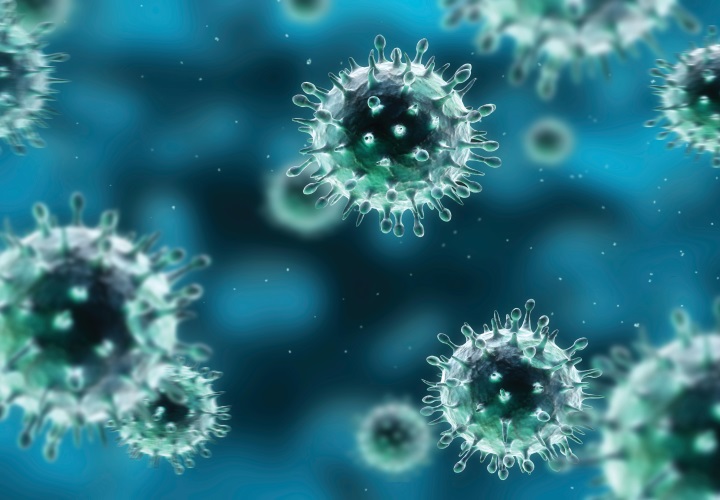
Epstein Barr viruses

This week BBC Radio 4’s ‘Science Now’ mentioned ‘herpes’ in the coverage of research into the causes of MS and similar diseases. Within fifteen minutes we had three phone calls telling us about this, just because the word ‘herpes’ was mentioned.

Listeners who paid careful attention to what was said will have realised that the virus being discussed was Epstein Barr virus (EBV), one of the herpes family of viruses, but not herpes simplex of either type – so emphatically not the viruses that cause genital herpes. Your ‘herpes not implicated’ since you don’t have EBV.

Epstein-Barr virus (humanherpes virus 4) is the possible trigger for multiple sclerosis. The German scientist who was interviewed for ‘Science Now’ loosely referred to the ‘surname’ of the whole family of herpes viruses as he explained that it was Epstein-Barr that was in the frame.

His new study builds on previous research and provides further evidence that multiple sclerosis may be caused by a viral infection. The suspected virus, the Epstein-Barr virus, is most commonly known as the cause of mononucleosis or kissing disease. Most people become infected with it at some point in their lives, often with no symptoms.

- Advertisement - Buy herpes antiviral medication from MedExpress

Click for the page that explains all the herpes viruses and learn more, now that you know your ‘herpes not implicated’ : https://herpes.org.uk/nine-human-herpes-viruses/

Posted on

Coachella festival “herpes epidemic” invented by a smartphone app and publicised by gullible media

Coachella, the Californian music festival hit the news last week – for all the wrong reasons. Stories of a Coachella herpes epidemic were published by every second rate gossip blog and then repeated by news outlets that should have known better, like Newsweek, Metro and the Daily Mail.

Photo of Coachella music festival.

There was no epidemic. The facts don’t stack up, as any journalist with half a brain should have realised, but the lure of another herpes headline, with accompanying clicks, was too much to resist.

The implication of the fake news coverage is that people are spreading herpes through having casual sex at the festival. Well festival goers might be having sex , but stories of a herpes epidemic are not supported by the facts.

HerpAlert is a smartphone app. The spike in the numbers of people who contacted HerpAlert began as soon as Coachella started. This is well inside the incubation period for herpes which is upwards of two days and often four/five days or up to two weeks. This means that the people who contacted HerpAlert already had herpes before they arrived at the festival. They were existing carriers who wished to use HerpAlert services.

Jose Arbello of the Riverside Department of Public Health said that his did not see any evidence of a rise in herpes cases, despite recent reports that HerpAlert saw a near tenfold uptick in cases in Southern California during the festival.

“My first reaction is that the whole thing is kind of silly because symptoms don’t typically show up in 24 hours,” said Dr Jill Grimes, a family doctor and author of Seductive Delusions: How Everyday People Catch STDs. “It can take anywhere from two to 12 days for symptoms to appear, although the average is three to four days,” says Grimes, who is on faculty at the University of Massachusetts Medical School and is spokesperson for the American Academy of Family Physicians. 

- Advertisement - Buy herpes antiviral medication from MedExpress

An official with the Los Angeles County Department of Public Health said,
“Herpes is not a reportable disease, as it is very common and has extremely rare complications; so trends in herpes cases are not easily tracked.”

It’s possible that HerpAlert’s spike in people using the app could be a result of increased advertising or marketing, a possibility that was raised by officials.

So there you have it. Don’t believe everything you read in the papers or online, especially in Newsweek, Metro or the Daily Mail.

Posted on 2 Comments

When will there be a cure for herpes?

A member just asked us this question. We get asked “will there be a herpes cure” every day. It proves how successful the aciclovir (Zovirax) marketing campaign was in the 1980s. The masterstroke was to call herpes ‘incurable’ to make it seem important. (There is in truth, almost nothing about genital herpes that is important, so the drug company did some creative thinking.) This was a brilliant idea because it ensured the success of aciclovir. They put herpes on the map and it has never looked back!

a possible herpes cure as a pill?

What Humpty Dumpty said

Incurable is an ‘Alice in Wonderland’ word. It can mean whatever you want it to mean. If you are diagnosed with terminal cancer, you have something that is genuinely incurable and you are going to die. If you have a bad cold, you have an infection that medical professionals call ‘incurable’ because there is nothing that they can prescribe for you that is going to make the cold go away more quickly.  (You can take paracetamol and that can help with the symptoms, but the cold will last just as long.) Cold sores and genital herpes are not incurable because symptoms go away by themselves without treatment. If herpes was incurable, the sores would never go away.

In fact, for most people, the virus is so well controlled that they don’t even notice enough to realise that they have caught anything at all, so they are not even diagnosed. What the drug company’s marketing campaign was capitalising on was the ability of the herpes simplex virus to hide in the body and sometimes cause more symptoms later. They could have called it ‘clever’, but that doesn’t sound scary.

It’s a strategy

Hiding is a common strategy for infections. We all carry around many things that do this: chickenpox, glandular fever, facial cold sores, thrush. They have not been marketed as ‘incurable’, but they all stay in the body and may cause symptoms from time to time. Some people notice more than others.

- Advertisement - Buy herpes antiviral medication from MedExpress

To get back to your question: Millions of pounds are spent every year on research into new treatments and vaccines for herpes. We write about this in every issue of SPHERE. [The magazine sent every 3 months to our subscribers.]

The development I am most excited about is a new antiviral drug that looks to be better than the ones we have now and may be used in combination with aciclovir. We will see if it gets to market.

Don’t be misled by marketing It was the ‘incurable’ word that led to the stigma. It’s as simple as that. The stigma led to more research into treatments because people have been made anxious enough to buy drugs and supplements that most of the time, they probably don’t need. Nearly everyone diagnosed with herpes asks about a cure for herpes, whereas people with a cold (or even a cold sore) just wait for it to go away, without stressing about it.

The key is perspective. If you over think herpes and worry about the future, please contact us through our helpline or send an email to [email protected] – or go to our shop page and become a member. We can help you get things in perspective again.

Posted on

Media lies as usual … about herpes!

You may have seen articles in newspapers/online about ‘herpes in astronauts’. As usual they misrepresent. So if you haven’t, don’t bother to search – they are uniformly misleading. Not just in tabloids, but even the Independent got it wrong. As we have written before, journalists only know about one type of herpes and assume the scientists are writing about genital herpes, whether they are or not!

Key Points:

As you might expect, any condition that reactivates when a body is under stress is likely to show up in astronauts. Now, after 60 years of men-in-space, scientists decided to measure the amounts of 4 different herpes viruses in saliva and urine. In about half the astronauts, they found shingles (herpes zoster – a recurrence of chickenpox – type 3) and two kinds of glandular fever (humanherpes viruses types 4 and 5) present during space flight. In conclusion, it is useful for the astronauts to know that they should not kiss vulnerable people when they land, as the glandular fever-like viruses will continue to be present in saliva for up to a month after a long flight.

What the Frontiers in Microbiology, Feb 2019, reported:

“Currently, 47 out of the 89 (53%) astronauts from shuttle-flights and 14 out of 23 (61%) astronauts from ISS [longer] missions shed one or more herpes viruses in saliva/urine samples.”

- Advertisement - Buy herpes antiviral medication from MedExpress

There are 8 herpes viruses that humans may have, including chickenpox/ shingles (VZV) and several glandular fever-like illnesses EBV and CMV.

Continue reading Media lies as usual … about herpes!
Posted on

We talk on Woman’s Hour – BBC Radio 4

Jenny Murray and Jane Garvey host Woman's Hour
Marian Nicholson (HVA director) and two members, Jess and Sylvia, were interviewed for 20 minutes by Jane Garvey. This was for Friday 22nd February’s Woman’s hour. Then the editing reduced this to 12 minutes. This shows that they liked it, because originally we were told we’d only have 7 minutes!
Hear it on BBC Sounds – at the 6 minutes point. We did our best to destigmatise the issue. Sylvia and Jess were brilliant (thanks ladies) and talked about how their partners were OK with it. Marian talked about how very, very common it is. Listeners have told us the editor did a good job!
If you would talk about your experience to help get rid of the stigma, let us know. It could be in print media, on radio or even TV! Email [email protected]